Gum Grafting & Soft Tissue Grafts
Covering exposed roots and rebuilding a gumline that has receded — including options with no scalpel and no sutures.
Learn more
Preparing gum tissue before braces, so orthodontic movement does not cause recession.
Orthodontic treatment moves teeth through bone. Where the gum tissue over a tooth is thin, or the bone covering its root is minimal, that movement can push the tooth beyond what the surrounding tissue can accommodate — and the gum recedes.
Recession caused during orthodontics is avoidable in most cases, but only if it is anticipated. Once a tooth has been moved and the gum has receded, correcting it requires a graft, and the aesthetic result is harder to achieve than it would have been beforehand.
Pre-orthodontic gingival therapy is the periodontal work done before braces or aligners begin: thickening thin tissue, releasing restrictive frenum attachments, and resolving any active gum inflammation. It is a small investment relative to what it prevents.
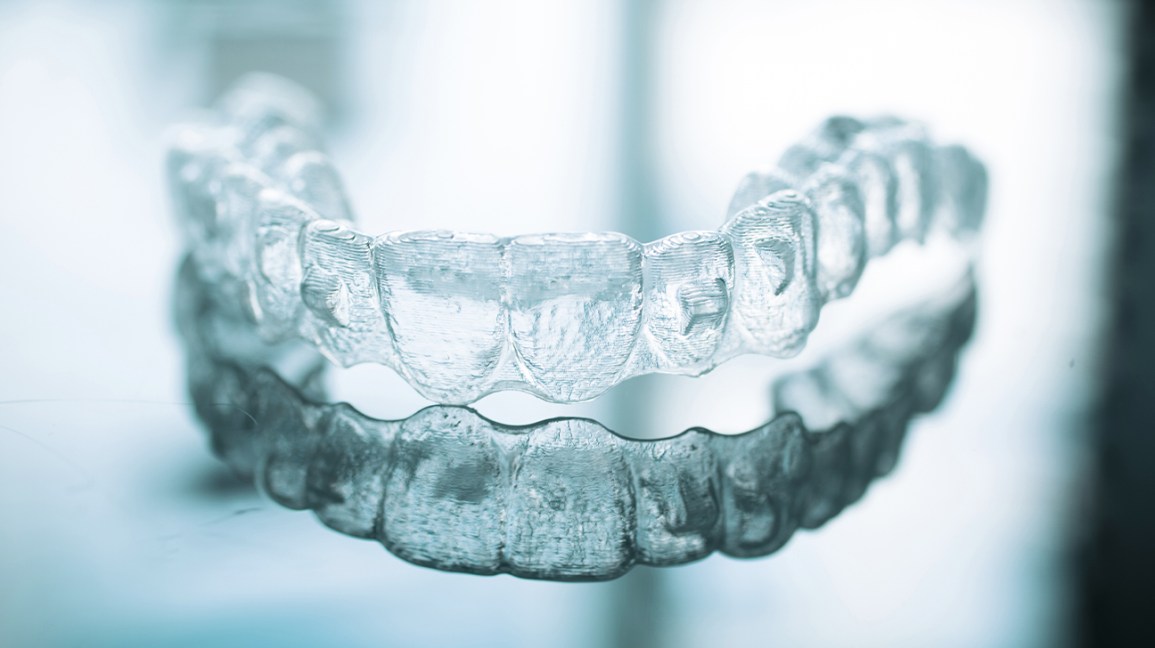
Not every orthodontic patient does. Evaluation is worthwhile if any of the following applies:
Many orthodontists refer patients for this assessment routinely. If yours has not and you have any of the above, it is a reasonable thing to raise before treatment starts.
Where attached gum tissue is thin or insufficient, a graft thickens it before orthodontics begins. Thicker tissue tolerates tooth movement substantially better. See soft tissue grafting for detail on the techniques used.
A frenum attaching too close to the gum margin pulls on the tissue continuously and can also maintain a gap between the upper front teeth that orthodontics closes and relapse reopens. Releasing it — usually with a small graft to prevent reattachment — is often done before or during orthodontic treatment.
Active gum disease is brought under control first. Moving teeth in the presence of active periodontitis can accelerate bone loss, so this is not optional where disease is present.
Where a tooth — most often an upper canine — is impacted and needs to be brought into the arch, surgical exposure and bracket attachment allows the orthodontist to guide it into position. How the exposure is performed affects the gum contour around that tooth permanently, so technique matters.
This works best as genuine collaboration. We communicate directly with your orthodontist about which teeth are planned to move and in which direction, because that determines which sites are at risk.
Timing also matters. Grafts need time to mature before orthodontic force is applied, so the sequence is planned jointly rather than squeezed in. In some cases periodontal work is better performed during orthodontic treatment or immediately after, and that decision is made together.
Considering braces or Invisalign as an adult? A periodontal evaluation beforehand is worth the appointment. Adult tissue is less forgiving of tooth movement, and prevention here is considerably easier than repair.
They can, particularly where gum tissue is already thin or teeth are moved outside the bony envelope that supports them. It is most commonly seen on lower front teeth.
It is largely preventable when identified beforehand — which is the entire purpose of a pre-orthodontic periodontal evaluation.
Generally before, where tissue is thin or a frenum is restrictive. Thickening tissue before force is applied prevents the problem rather than repairing it.
Some procedures are better timed during or after orthodontics — closing a diastema before a frenectomy, for instance, can give a better result. The sequence is decided jointly with your orthodontist based on your specific case.
Possibly not — many patients have perfectly adequate gum tissue and need nothing. But thin tissue is not always obvious without a periodontal examination measuring attached tissue width.
If you have existing recession, visibly thin gums, or are an adult patient, an evaluation is a reasonable precaution. We are happy to consult with your orthodontist directly.
In most cases pre-orthodontic grafting prevents the need for further work. Occasionally additional treatment is beneficial afterward, particularly if teeth moved further than originally planned.
Monitoring during orthodontic treatment means any developing recession is caught early, while it is still small.
Covering exposed roots and rebuilding a gumline that has receded — including options with no scalpel and no sutures.
Learn moreReshaping gum and bone to expose more tooth — either to fix a gummy smile or to give your dentist enough tooth to restore.
Learn moreSpecialist care for the gum and bone that hold your teeth in place — the foundation everything else depends on.
Learn moreDr. Liu will evaluate your situation and explain your options — including the ones you may not have been offered elsewhere.